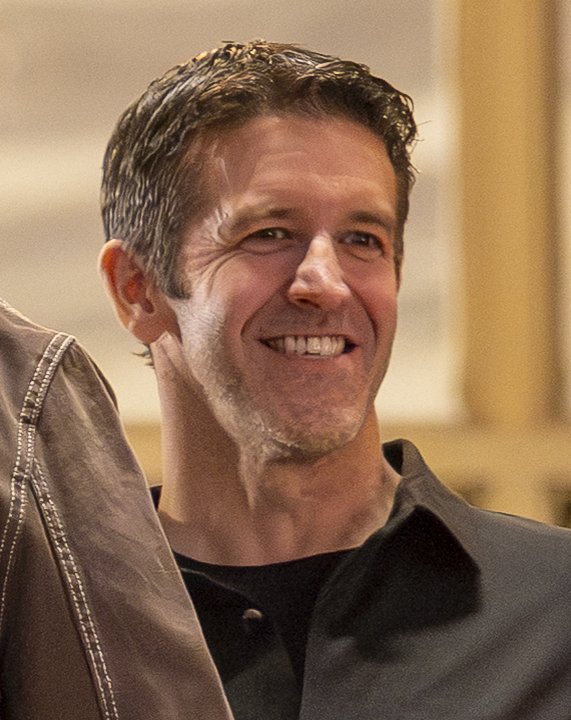
Photo: Matthew Yohe, CC BY-SA 3.0 (Wikimedia Commons)
Steve Jobs
1955–2011. He founded Apple in 1976, was pushed aside in 1985, founded NeXT and bought Pixar, and returned to lead Apple's recovery era. His biography is told in four eras:
Apple · 1976 – 1985
The founding and the Macintosh
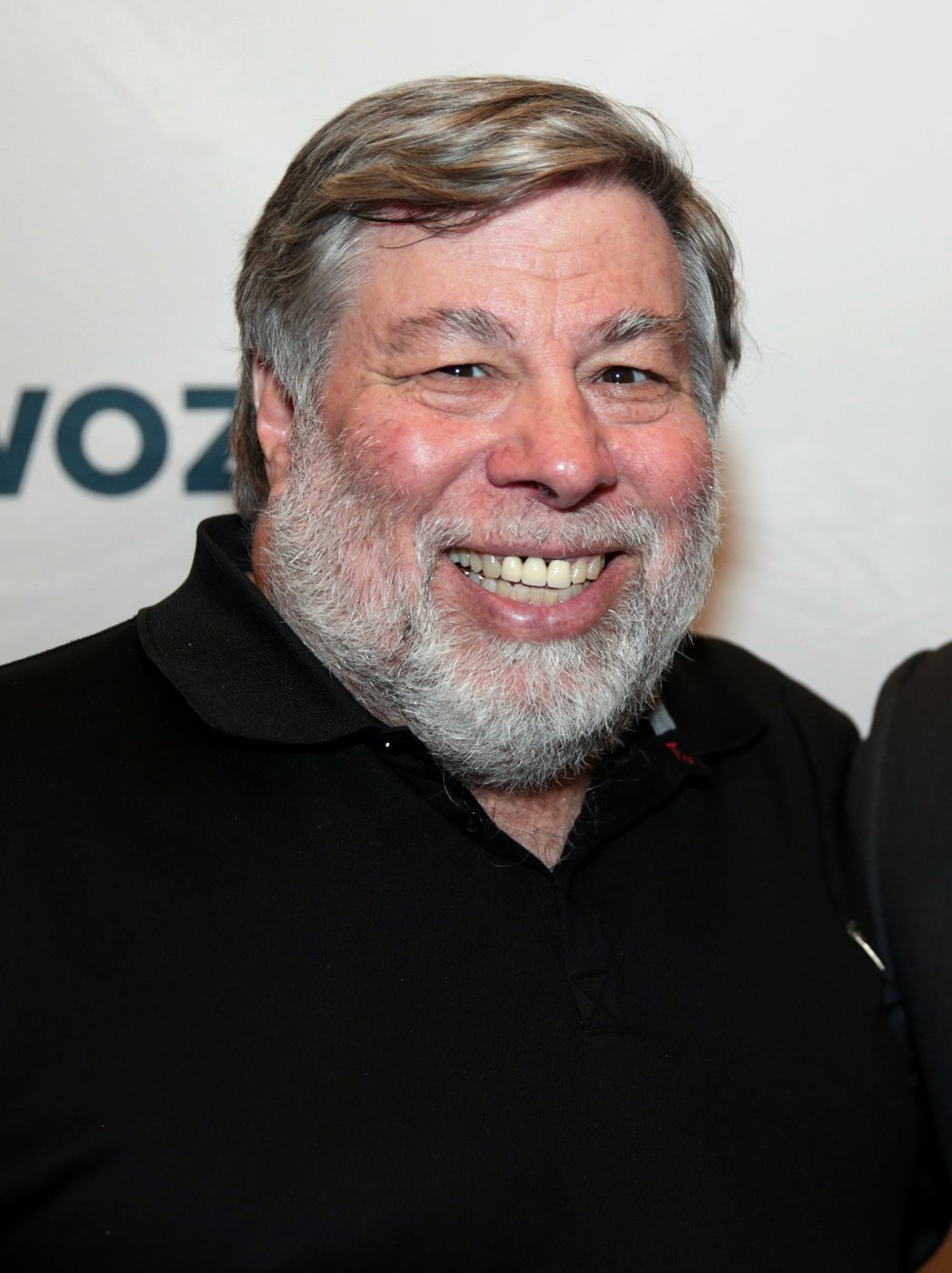
He founded Apple Computer with Wozniak and Wayne on April 1, 1976. Wozniak designed the computers; a local store's order for 50 assembled Apple I boards suggested to Jobs that there was a market. The Apple II turned Apple into a major company, which went public in December 1980. On January 24, 1984 he introduced the Macintosh. In 1985 he stopped running the Macintosh division and, in September, he resigned. [Product pages: Apple I, Apple II, Macintosh 128K]
NeXT · 1985 – 1996
The cube and the software
He founded NeXT with several former Apple employees to build workstations for higher education. On October 12, 1988 he unveiled the NeXT Computer: a 12-inch magnesium cube priced at $6,500. On one of those cubes at CERN, Tim Berners-Lee created the first web server and the first browser. The hardware did not achieve the expected success: in February 1993 NeXT announced it was stopping computer manufacturing, laying off 280 of its 530 employees according to the LA Times, and focused on its software, NeXTSTEP. In December 1996 Apple agreed to buy NeXT for $400 million (SEC 8-K filing).
Pixar · 1986 – 2006
From the graphics computer to Toy Story
On February 3, 1986 he bought George Lucas the computer division of Lucasfilm —the computer graphics team Lucas had assembled in 1979 under Ed Catmull— and turned it into an independent company: Pixar. Its product was the Pixar Image Computer, a high-end graphics computer that never became a commercial success; the studio carried on with its rendering software, RenderMan, and its short films, until the 1991 deal with Disney to produce feature films. The first, Toy Story (1995), was, according to Pixar, the first computer-animated feature film, grossing $362 million worldwide; a few days after its premiere Pixar went public, the largest IPO of the year according to the company itself. In January 2006 Disney announced the purchase of Pixar for $7.4 billion in stock (the deal closed in May 2006), and Jobs, who owned about 50.6% of Pixar's shares, joined Disney's board.
Apple · 1996 – 2011
The return
He returned as an advisor with the NeXT purchase, became interim CEO in September 1997 and permanent CEO in January 2000. The recovery: iMac, iPod, iPhone and iPad. He resigned on August 24, 2011 and died on October 5 of that year. [Product pages: iMac G3, iPod, iPhone, iPad]
BOOKS ABOUT HIM
"Steve Jobs", Walter Isaacson (2011): the authorized biography, written at Jobs's own request.
"Becoming Steve Jobs", Brent Schlender and Rick Tetzeli (2015): his evolution as a leader, told by two journalists who knew him closely.
(He wrote no books.)
Design beyond products
The house without furniture. There are specific accounts behind the furniture story. In 1982 Diana Walker photographed him for Time at his Woodside, California home: an almost empty living room, a Tiffany lamp, and Jobs sitting on the floor. Years later, in the red-brick house in Palo Alto, the standards were the same: as his wife Laurene Powell Jobs told biographer Walter Isaacson, they spoke about furniture in theory for eight years, wondering what a sofa was for; in 2022 she confirmed they went many, many years without a sofa or chairs because they could not agree on the details. Sources: Steve Jobs Archive, NPR, Business Insider.
The mansion he demolished. In 1984 Jobs bought the Jackling House in Woodside, designed by architect George Washington Smith. According to The Almanac, from 2001 he sought to replace it with a modern home; demolition began on February 14, 2011. This house should not be confused with the 1982 photograph. The Almanac.
The yacht Venus. Jobs commissioned Venus and took part in its development with Philippe Starck. Feadship credits the meticulous owner and Starck in its account of the project, expressly attributing exterior and interior design to Starck and naval architecture to Feadship De Voogt. The yacht is 78.20 metres long and dates from 2012, after Jobs’s death. Starck connects its design with the philosophy of minimum and dematerialization. Feadship · Philippe Starck.
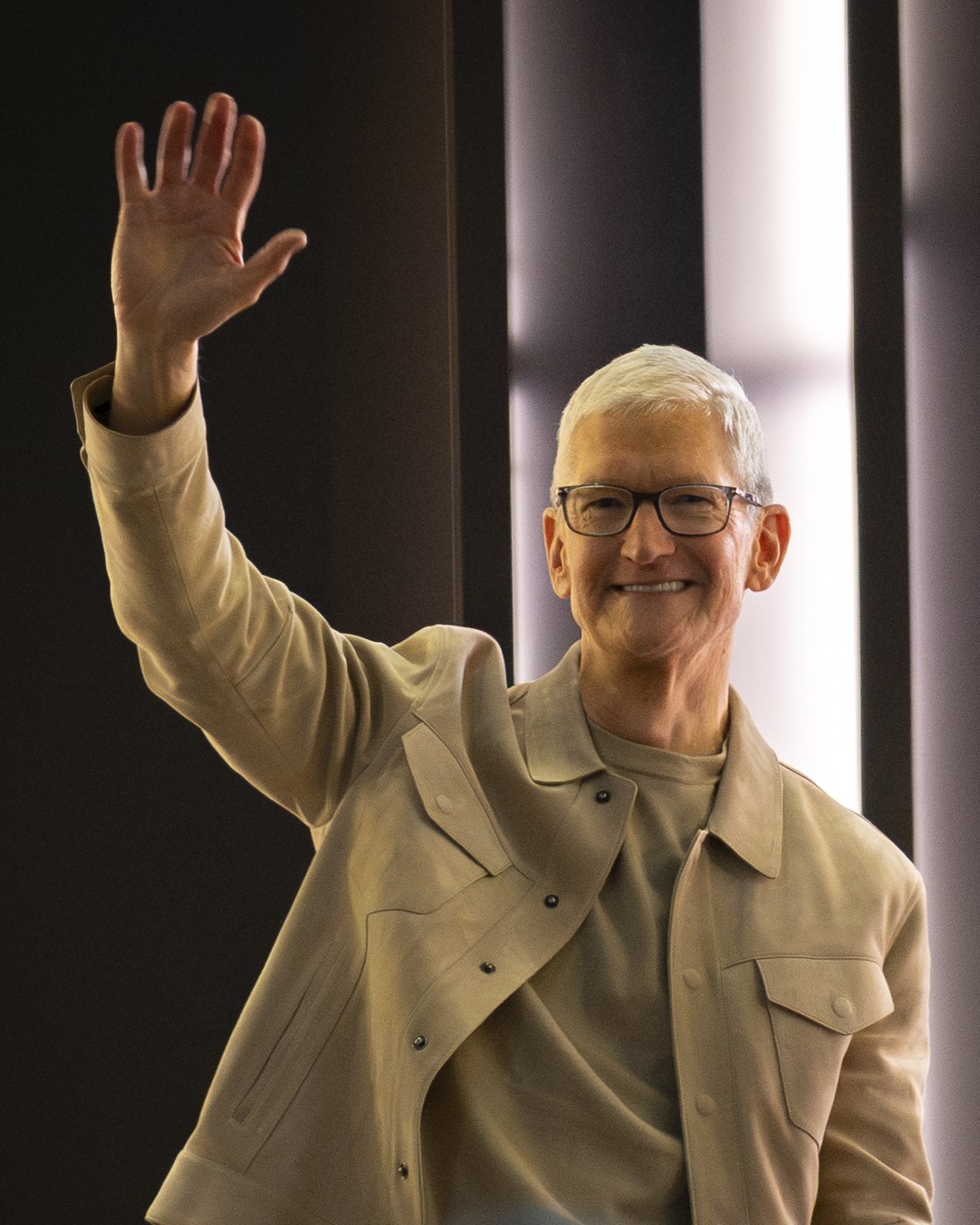
The circular headquarters. Apple Park did begin with Jobs's vision, and he personally chose architect Norman Foster in 2009 to make it real: a low ring with a large central courtyard surrounded by nature. He presented it in person to the Cupertino city council on 7 June 2011; after his death, Tim Cook and Jony Ive safeguarded the vision through to completion. Sources: Inc., City of Cupertino. Apple · 2017.